Aechmea fasciata
Aechmea fasciata
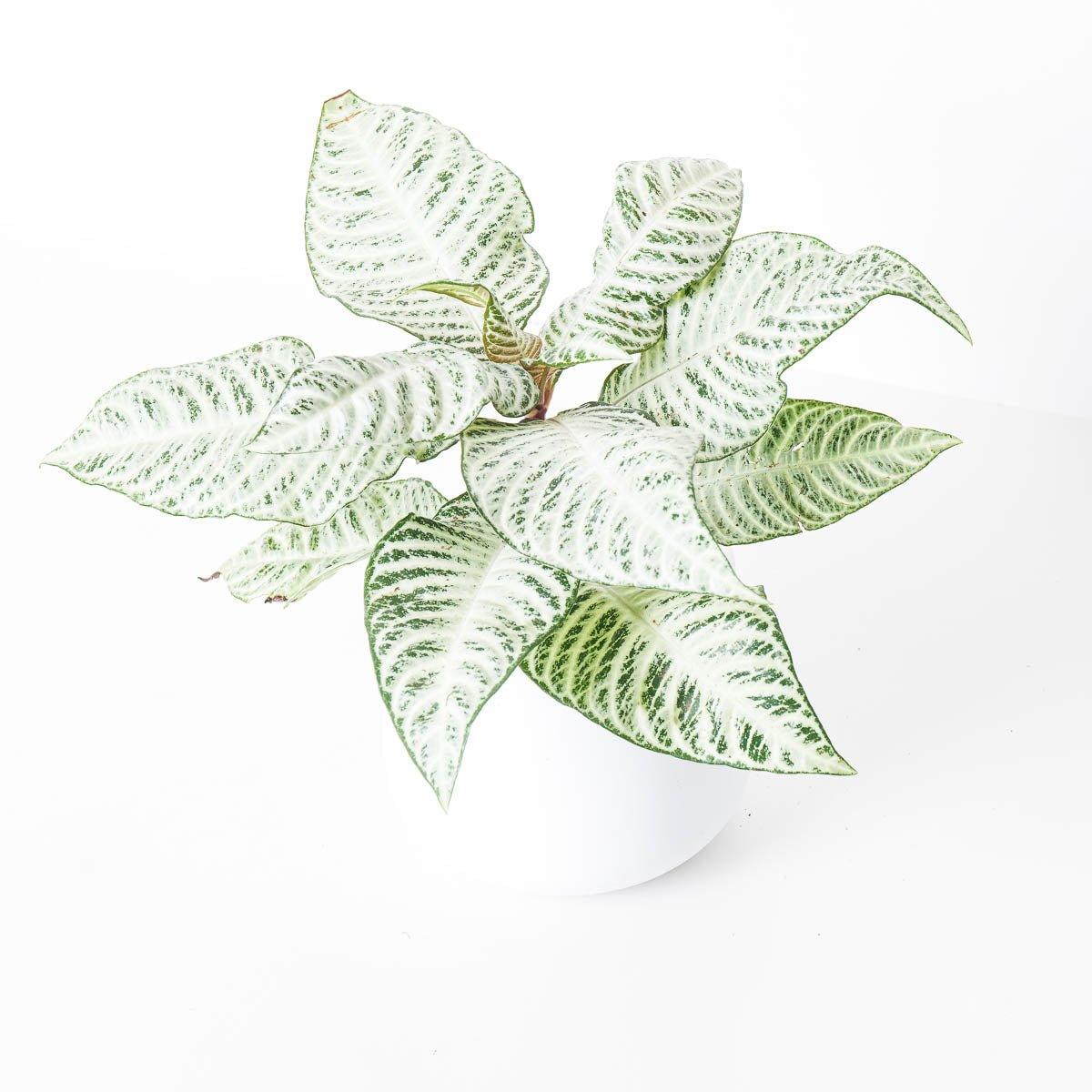
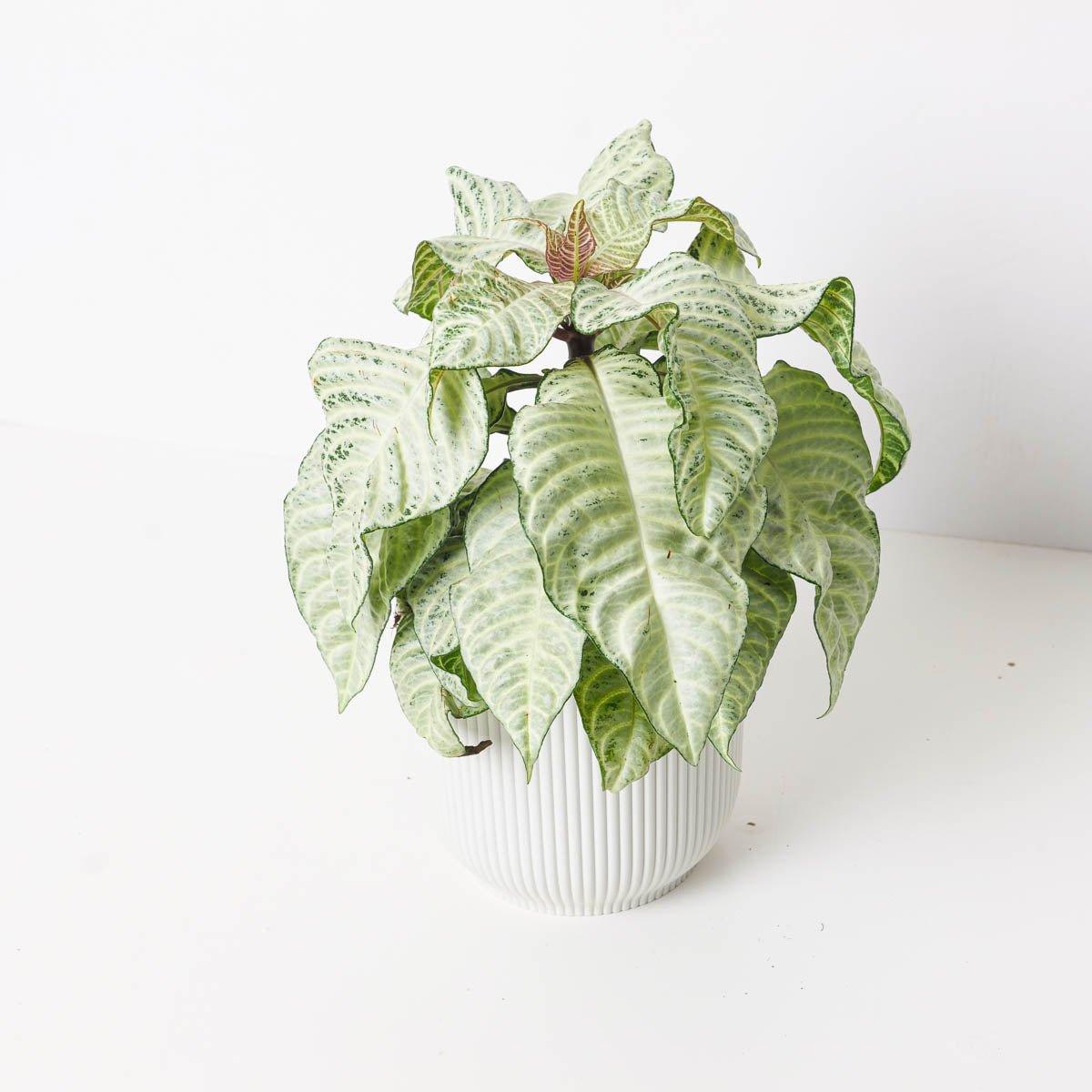
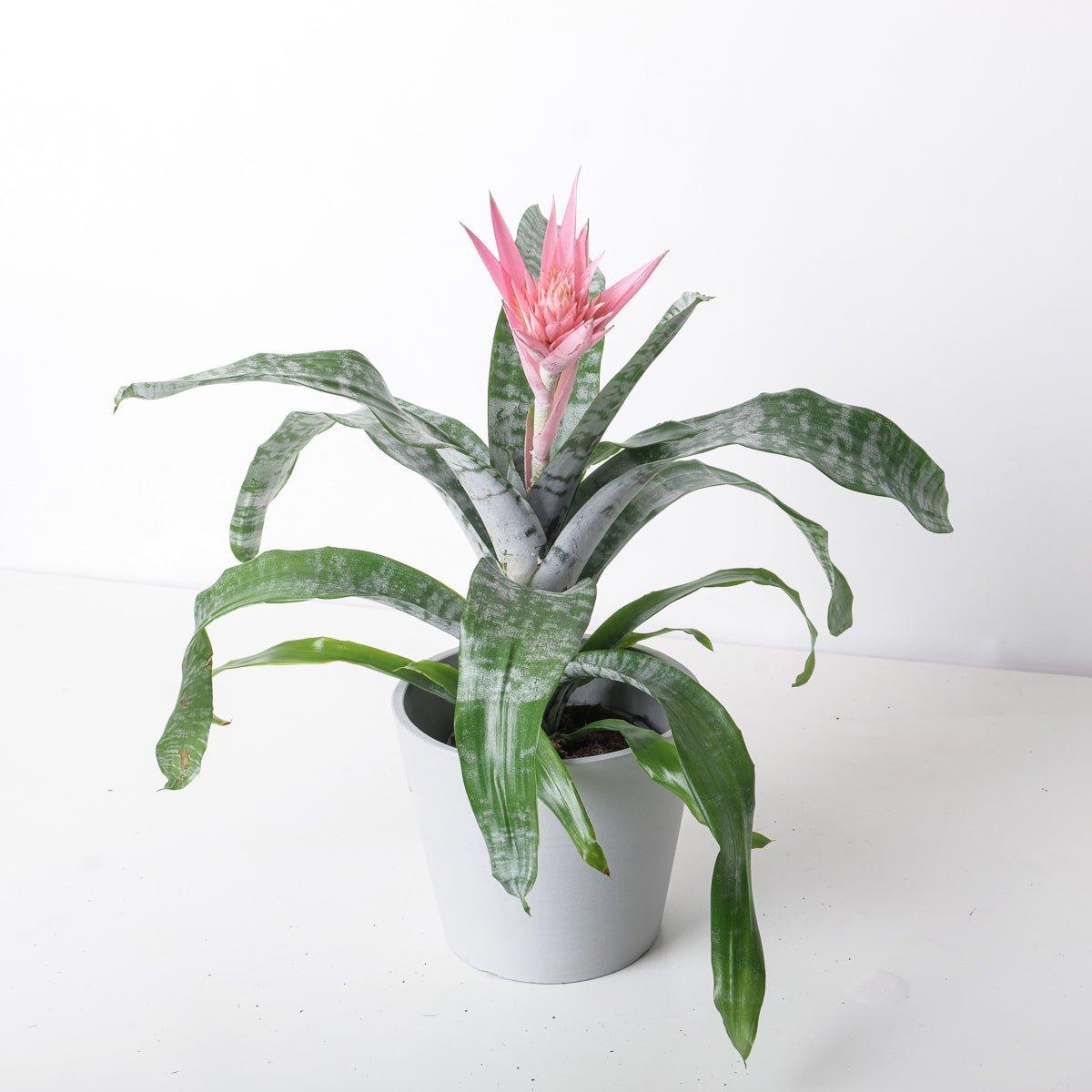
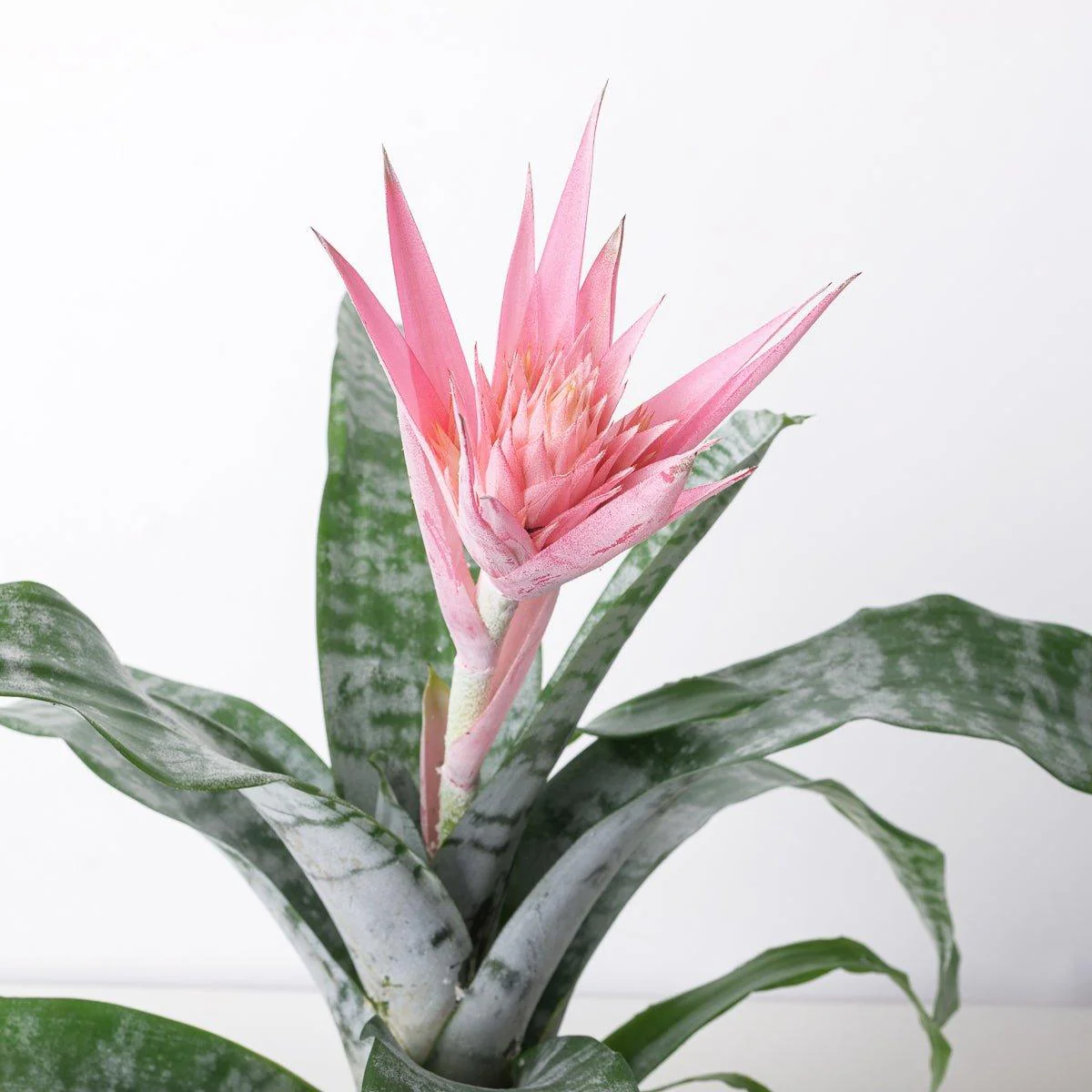
Originating from Brazil, fasciata is easily identified by the bright pink flowers on a tall stem. They sit on a lovely plumage of thin, silvery pointed glossy leaves. If you're looking for an eye-catcher this is your guy...you certainly won't miss it in a crowd! Even better this a super low maintenance plant, great for a beginner or someone with a busy lifestyle!
How to care for your Aechmea -
Water: Ensure the axel of the bromeliad is always holding some water. Do not water the substrate, this is purely for anchorage and doing so will quickly rot the plant.
Light: Allow bright indirect light, direct light can cause discoloration.
Humidity: They love warmth and humidity, a bathroom or kitchen would be a perfect spot.
Temperature: They prefer warm temperatures about 20 degrees C.
Toxic to cats & dogs? Yes
Please note we cannot guarantee the plant will still be in flower upon arrival. Once Bromeliads flower, the plant is in its dying stages (this can take up to 2 years and the plant will appear healthy during this time) but it will produce several pups to continue the cycle.
Description
Aechmea fasciata
Originating from Brazil, fasciata is easily identified by the bright pink flowers on a tall stem. They sit on a lovely plumage of thin, silvery pointed glossy leaves. If you're looking for an eye-catcher this is your guy...you certainly won't miss it in a crowd! Even better this a super low maintenance plant, great for a beginner or someone with a busy lifestyle!
How to care for your Aechmea -
Water: Ensure the axel of the bromeliad is always holding some water. Do not water the substrate, this is purely for anchorage and doing so will quickly rot the plant.
Light: Allow bright indirect light, direct light can cause discoloration.
Humidity: They love warmth and humidity, a bathroom or kitchen would be a perfect spot.
Temperature: They prefer warm temperatures about 20 degrees C.
Toxic to cats & dogs? Yes
Please note we cannot guarantee the plant will still be in flower upon arrival. Once Bromeliads flower, the plant is in its dying stages (this can take up to 2 years and the plant will appear healthy during this time) but it will produce several pups to continue the cycle.